Creative page - engineering lab

Philips Engineering Lab

The engineering lab page gives buyers a clearer view of how appliance claims become validated production decisions. It is especially useful when a sourcing team needs to compare several suppliers and wants evidence beyond photos, price lists and broad quality slogans. Philips uses the lab as a translation point between buyer language and factory language: comfort, quietness, fast heating, long battery life, safer materials and reliable connectivity must all become measurable tests before a product can move into production planning.

Home appliance engineering test lab

Quality gate design

Every program is mapped to sample, pilot and production release gates. The sample gate confirms user-facing function and design intent. The pilot gate verifies production repeatability, assembly instructions, inspection points and packaging fit. The release gate checks final AQL, label accuracy, carton performance and required technical documents. This prevents the common sourcing failure where a beautiful sample is approved but the mass-production line cannot repeat it consistently. Buyers can use the gate record to brief retail quality teams, inspection partners and after-sales departments before shipment.

Reliability testing

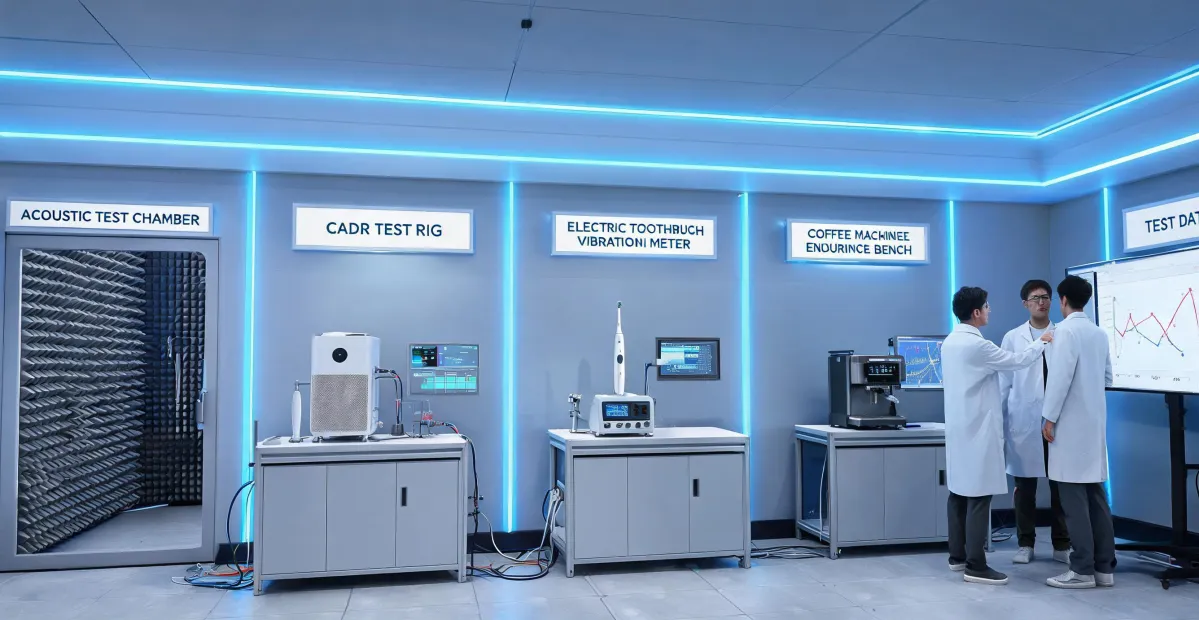
Philips-style appliance validation uses test windows that match the product family. Air purifiers need sensor, CADR and fan endurance checks. Electric toothbrushes need vibration, battery, waterproofing and charging assessments. Coffee machines require pump, heater, leak and descaling-cycle testing. Smart home devices add firmware, pairing and standby power validation. The output is a test summary that a buyer can actually discuss with its quality team. When a test result is marginal, the lab can recommend whether to adjust the component, change the claim or narrow the use condition.

Compliance translation

Compliance work is more useful when it is translated into buying decisions. If a product needs UL or ETL, charger selection and enclosure spacing may change. If an appliance is sold into the EU, RoHS, REACH, language labeling and energy information must be planned early. The lab helps identify those dependencies before a low quote creates expensive rework. This is especially important for private-label buyers, because the brand on the carton is responsible for the claim even when the product is manufactured elsewhere.

Ask for a lab review before confirming your appliance platform.

We will identify the validation work required for your target product family and launch market.